- Retrofit Services
- Alarm Monitoring Systems
- Power Management Systems
- Valve Remote Control Systems
- IoT & Remote Monitoring Solutions
- Installation & Manufacturing of Electrical & Automation Control Panels
- Customized Automation Solutions
- Testing, Calibration & Certification
- Supply of Spares for Ships
- Dry Dock Repair Works
- PCB Repair Solutions
- Predictive Maintenance Solutions

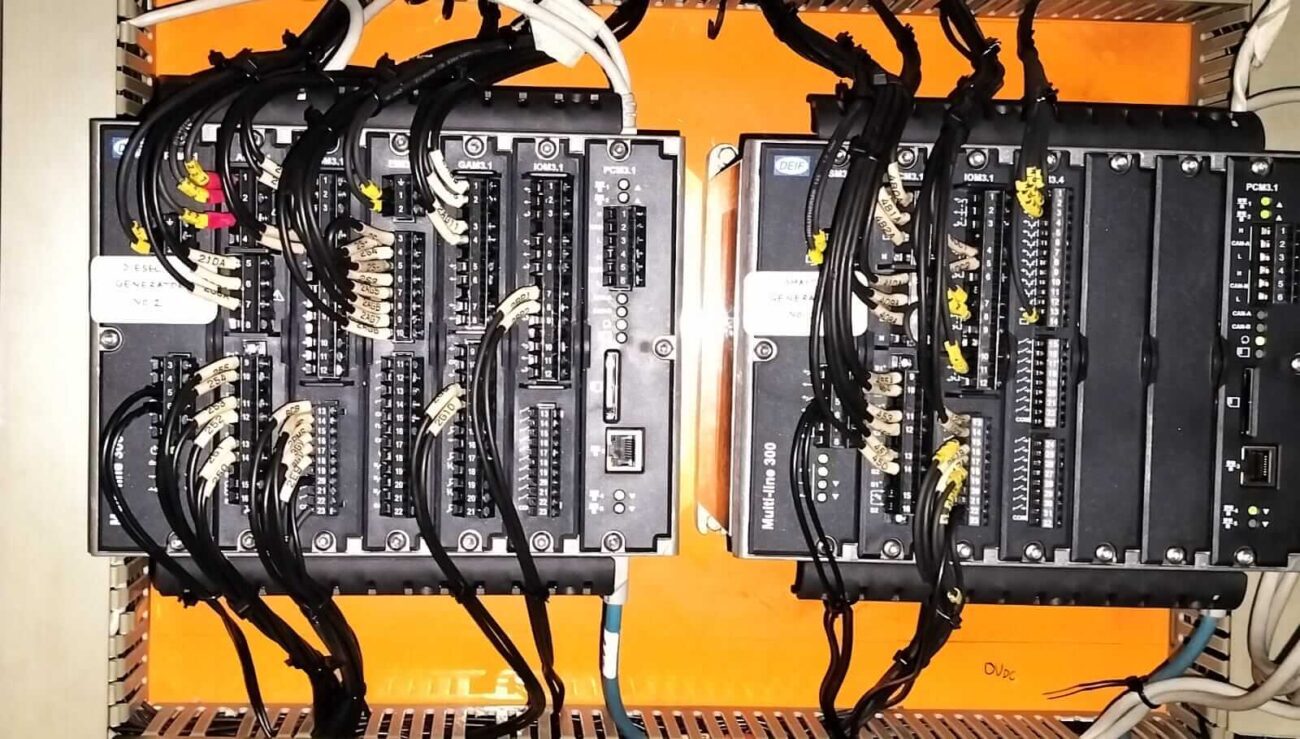
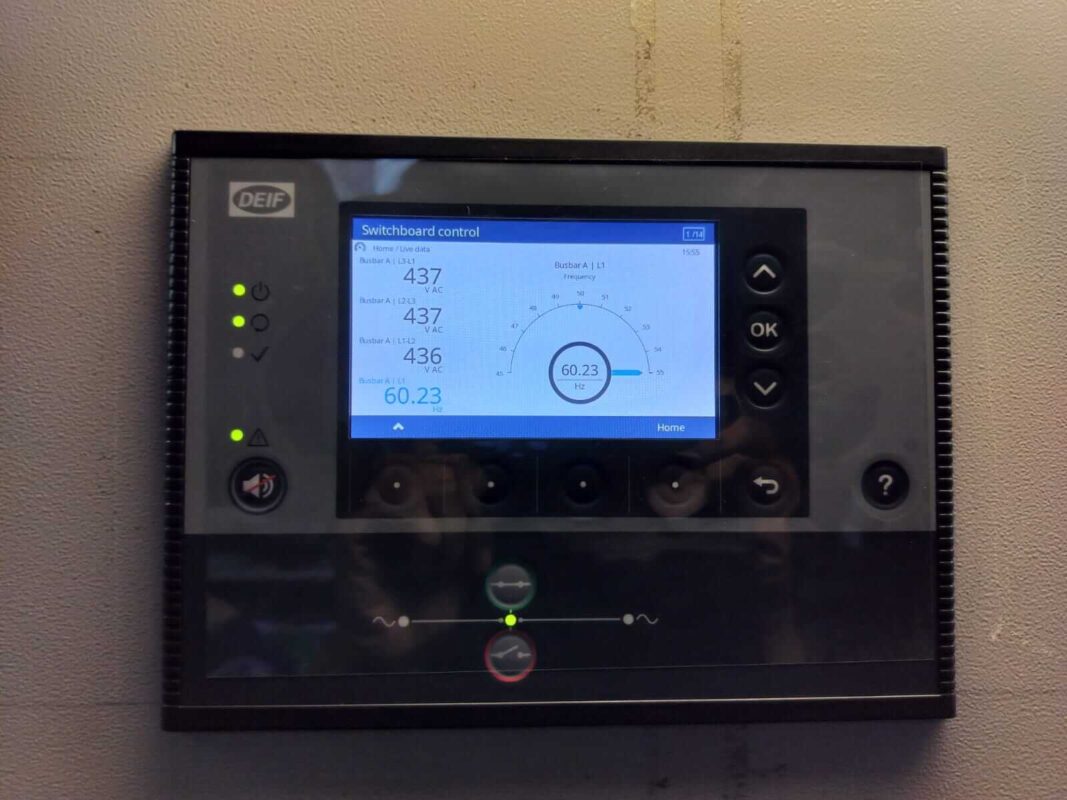
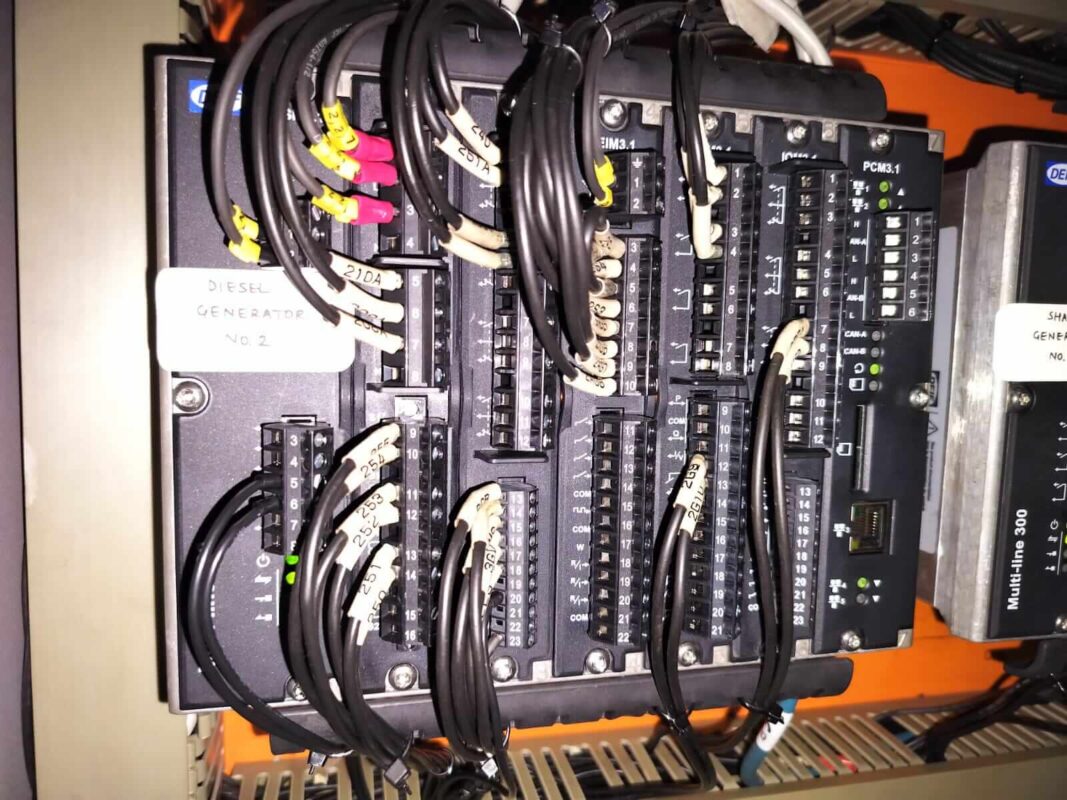
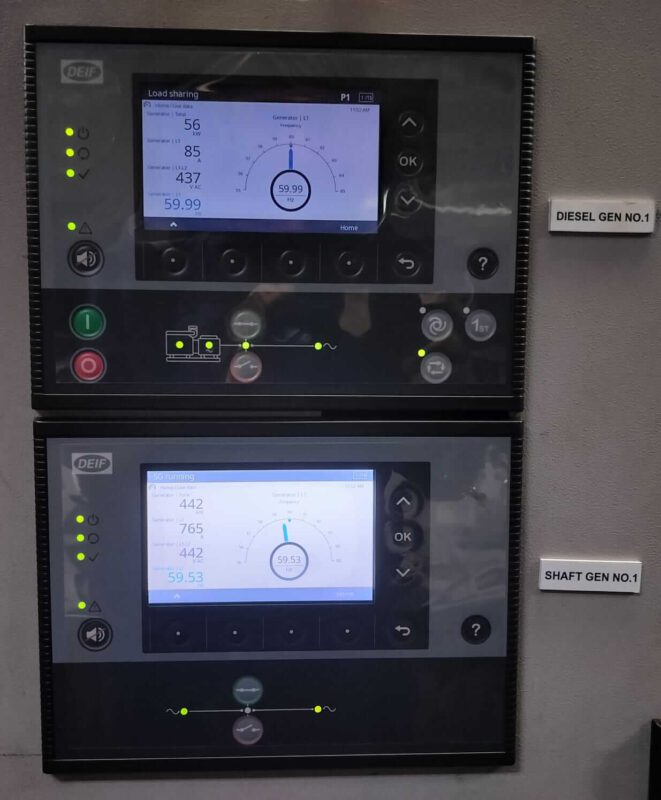
A Power Management System (PMS) is a crucial automation solution designed to ensure the efficient and reliable operation of power generation, distribution, and consumption systems. PMS helps in optimizing energy usage, reducing fuel consumption, and enhancing system stability, making it an indispensable solution for marine vessels, industrial plants, and critical infrastructure.
Key Features of PMS
- Real-Time Monitoring & Control
- Continuous monitoring of generators, switchboards, transformers, and power loads.
- Remote control of power distribution for seamless operation.
- Automatic Load Management
- Load shedding and load sharing to prevent power failures.
- Automatic synchronization of generators based on demand.
- Fuel Optimization & Energy Efficiency
- Reduces unnecessary fuel consumption by optimizing generator usage.
- Provides real-time data analytics for energy efficiency improvements.
- Fault Detection & Alarming
- Identifies electrical faults and prevents critical failures.
- Sends alerts and alarms for proactive maintenance and troubleshooting.
- Integration with Other Systems
- Seamless integration with Alarm Monitoring Systems (AMS), SCADA, and ship automation.
- Compatible with renewable energy sources for hybrid power management.
Applications of PMS
- Marine Industry – Ensuring stable power distribution on ships, offshore platforms, and naval vessels.
- Industrial Facilities – Managing power loads in factories, refineries, and energy-intensive industries.
- Data Centers – Preventing power outages and ensuring seamless operation.
- Healthcare & Critical Infrastructure – Providing reliable power backup in hospitals and emergency facilities.
Benefits of Implementing PMS
- Enhanced System Reliability – Prevents overloads and blackouts through automated control.
- Operational Efficiency – Reduces operational costs by optimizing power usage.
- Regulatory Compliance – Helps meet industry standards and energy efficiency regulations.
- Remote Accessibility – Enables remote monitoring and control via web-based platforms.